
Color may be exactly right, but wearing the unit for hours brings out a problem with cap comfort. For another wearer, the advantage of the natural-looking hairline comes with a drawback: twenty minutes of work on the lace each morning is more than they want. A third customer chooses an otherwise beautiful wig and discovers that its density feels heavier than anticipated.
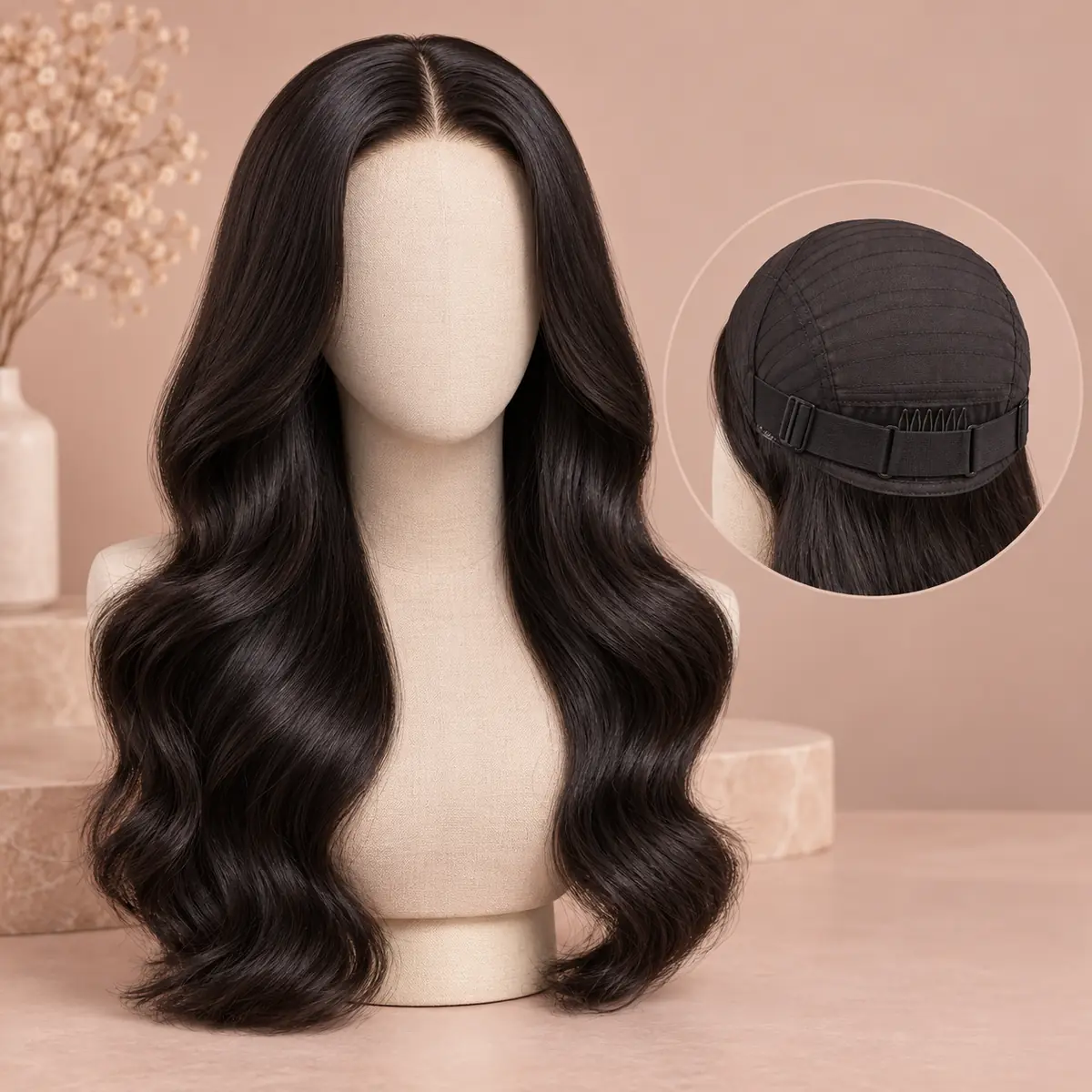
Image credit: vayorahair.com
There is more meaning in these comments than a wig company might initially see. They reveal opportunities to develop products people will genuinely enjoy wearing.
A strong wig lineup does not have to center on the latest viral hair trend. A collection should begin with the customer’s expectations and the experience they want when they put it on.
What Customer Feedback Tell a Brand
When wearers express concerns, they generally do not speak in manufacturing language. They talk about comfort, convenience, appearance, and confidence. A construction without glue could be one response to feedback about making mornings easier. An unnatural-looking hairline may signal a problem with the appearance of the lace, the treatment of knots, density, or the way the part is designed.
A human hair wig manufacturer China brands work with should be able to translate these everyday concerns into measurable product specifications.
Instead of simply requesting a 22-inch body-wave wig, a buyer can define the intended wearing experience, cap fit, lace construction, hairline appearance, and finished weight. That level of detail gives the development team a clearer target.
Building an Identity for Your Private Label Wig Range
A common misstep for newer wig brands is to build their range around whatever is popular at the time. Such an approach can leave the brand with a catalog that is difficult to distinguish from competitors’ offerings.
Working with a private label wig manufacturer China retailers can collaborate with allows brands to develop a more consistent product identity. A brand could focus on lightweight everyday styles, a premium range with realistic hairlines, or ready-to-wear styles for customers who prefer little preparation. To keep the collection unified, align texture, length, color, density, cap construction, and packaging with one customer promise. A recognizable product range can encourage repeat visits for reasons other than a short-term promotion.
Glueless Wigs Require More Than a Label
The simplicity of the term “glueless” does not capture the design details that determine the wearing experience. Everything from cap sizing and adjustment features to attachment components, lace preparation, and hairline design influences how securely and comfortably the unit fits.
A glueless wig manufacturer China buyers choose should help clarify these requirements before production begins. For a range intended for first-time wearers, the priorities may include manageable density, pre-cut lace, and straightforward adjustments. By contrast, a range for professional hair stylists may call for different customization options. It would be a mistake to assume that one approach is always better. What distinguishes them is the customer they serve.
Protect Your Brand’s Reputation Through Sampling
A photograph cannot reveal every aspect of the unit. Buyers need to examine how the cap fits, how the hair moves, whether the color matches expectations, and whether the finished construction reflects the approved design. The sample stage creates an opportunity to notice inconsistencies ahead of a higher-volume purchase.
When a wholesale human hair wigs supplier needs to produce a style repeatedly, written specifications and quality control processes are particularly important. A lack of clear production references can make it difficult to reproduce the results of a successful first batch consistently.
Prepare Your Collection for Future Growth
For B2B wig brands, retailers, and distributors, VAYORA provides support across product development, private label services, sampling, specification control, and repeat-production workflows. The approach connects customer expectations to the physical features that determine the wig’s appearance, fit, and feel.
Prior to expanding a product range, brands should review customer feedback, recognize their strongest product opportunities, and set clear approval standards. The next collection’s success may have little to do with the number of additional styles. What may matter more is fewer compromises in the styles that customers are already looking for.