On paper, a pumping plan may seem simple: water is required to be pumped from one location to the next. In actuality the distance between those two points may be subject to fluctuating flows, elevation changes, solids, pressure requirements storage capacity, control electrical equipment, maintenance access and even site restrictions.
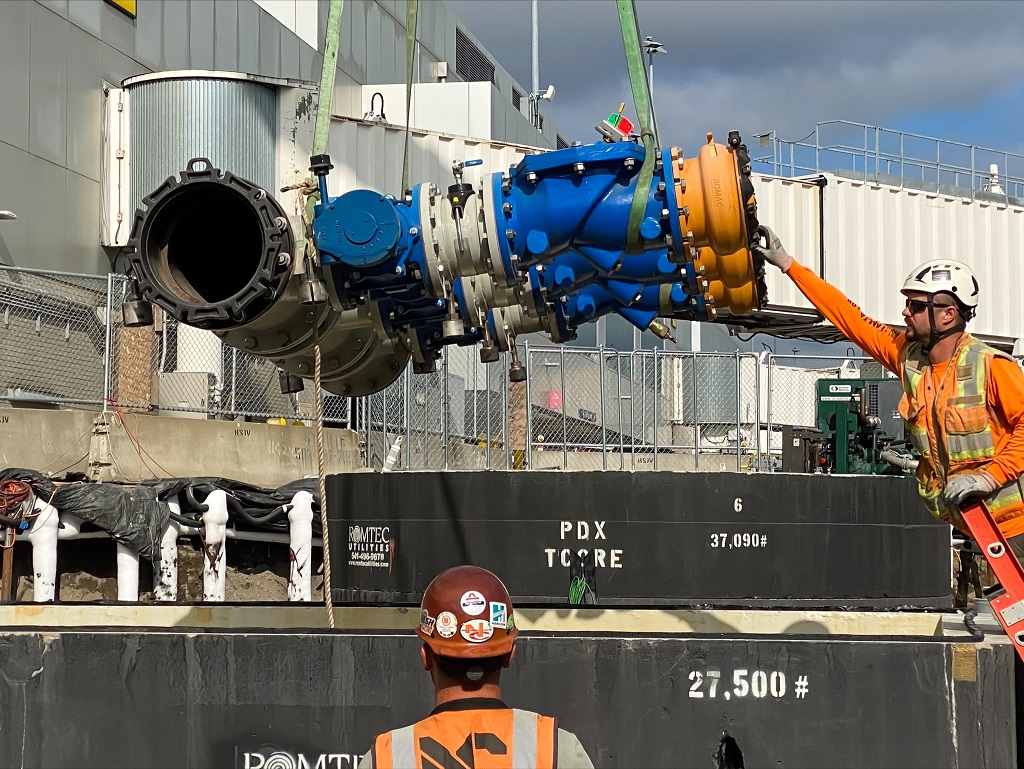
Image credit: romtecutilities.com
For Romtec Utilities, designing a pump station begins by defining those operating conditions rather than selecting equipment from a standard catalog. The project requirements can be used to create initial designs and budgetary information.
You should ask yourself: Where are we going?
The technology changes instantly.
Domestic sewage may contain solids and may experience significant fluctuations in the daily flow. If gravity conveyance fails, or is insufficient the wastewater lift station will be required to move the wastewater. Engineers should be aware of the following aspects: expected flow the condition of the pump, its peak, capability, wet well behavior discharge requirements and how equipment is operated and maintained.
Industrial water is a subject that presents a range of difficulties. Fluids which are caustic, oily or possess high temperatures or pressures could be needed by a processing or manufacturing facility. Romtec Utilities designs systems for industrial applications ranging from food processing to power generation, databases, pharmaceutical waste facilities and petroleum and gas facilities.
Rainfall has a completely distinct Operating Cycle
Stormwater systems tend to be unoccupied for extended periods but then suddenly they face massive volumes during storms.
A stormwater pump station connected with a detention reservoir, for instance, has to work alongside the drainage strategy. The runoff is absorbed into the basin. Temporary storage is used to regulate the amount immediately. The pumping system takes the water it collects to a designated outlet.
Romtec Utilities offered this type of solution to a Norco, California business park. This project needed a pumping device that would empty a reservoir into the public stormwater network. The station was designed to function as a part of the drainage system used by a developer and not as a separate part of the equipment.
The term “package” doesn’t have to be used to mean off-the-shelf
Many believe that a system for pumping packages is simply a set of components.
Packaging can be used to link the most important elements into a system designed specifically for the project. Controls, pumps and meters as well as structural elements and other equipment, are able to be picked in accordance with the requirements of the project.
This method is especially beneficial when a brand new system needs to connect to existing infrastructure. In municipal and industrial structures, there’s not enough space or a complete clean environment for the installation. Equipment could need to be fitted around existing piping, structures, electrical systems, and operational schedules.
The Real Consequences of Capacity Planning
If facilities grow in size, undersizing becomes a significant expense.
Romtec Utilities, a Portland International Airport utility company, designed and provided an interceptor for sewers for the PDX Next project. The new station was developed to increase the capacity of peak flow of the existing system, as airport facilities expand.
It demonstrates a key engineering principal: design specifications shouldn’t reflect only the way a facility is able to handle during a typical afternoon. Engineers must also know what happens when demand peaks.
The job isn’t finished until the Equipment Shows Up
At some point, drawings and calculations must become an operational system. Installation coordination starting and testing, documentation, and operator understanding are all crucial for long-term efficiency.
The outcome after the creation of a pumping unit determines the quality of the system. The choices made in the initial design are evident when equipment needs maintenance, flows increase or a storm hits.
Romtec Utilities combines these decisions into a pumping solution which is unique to a project. This can help transform individual equipment into an infrastructure built to handle the environment they face.