
Artificial intelligence (AI) has changed the way software developers write their software. Coding assistants today create functions describe code and offer improvements to bugs in just a few seconds. Many development teams soon discover that the process of creating codes is only a small part of the engineering process. Knowing the entire repository remains the biggest challenge.
Large projects can contain thousands or interconnected files, libraries APIs and dependencies. A AI assistant that reads each file one by one and does not understand the connections between these files could not be able to pinpoint the root of the issue or cause unwanted consequences. Repository intelligence can be more useful as it offers structured insight to the coding agents prior to when they change their behavior.
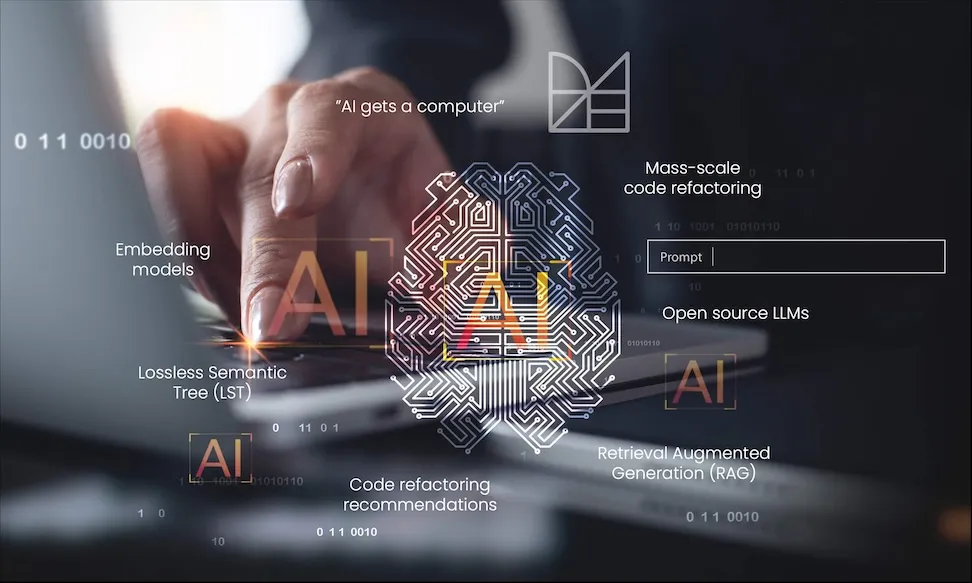
Context is key to making better engineering decisions
Developers invest a lot of time searching for dependencies, identifying root causes and determining how a modification may affect other parts of an initiative. The process of discovery can be automated, allowing engineers to concentrate on solving problems rather than searching for them.
Codna uses a different approach to software analysis through making a deterministic representation of the entire repository before AI starts generating fixes. The system does not use excessive model context in order to review a large number of files. Instead it translates symbols, dependencies and potential blast radius and only provides the data necessary to accomplish the task. This allows for faster analysis, while also reducing unnecessary processing. This also aids in helping AI work more efficiently.
Reliable fixes require verification
The issue of trust is one of the biggest concerns in AI-powered software development. An idea may seem correct, but it could also cause problems or fail tests that have already been conducted. The engineers must be certain that the proposed fixes will work in their respective applications.
A system that is efficient in AI repair of code must not just suggest edits. It must evaluate the potential impact modifications, check for conformity to tests for the project, and give engineers sufficient information to analyze each change before deploying. This process reduces risk and allows for faster development cycles.
Codna is an analysis tool for repositories that integrates workflows to validate. This lets developers quickly move from identifying bugs to reviewing solutions tested using the least amount of manual work.
Performance and privacy remain important
As companies increasingly embrace AI-assisted design, many are also rethinking how sensitive source code needs to be processed. Compliance, privacy, and intellectual property protection are now critical considerations for engineering leaders.
Because Codna insists on local repository understanding and privacy-first architecture developers have greater control over their code while benefiting from rapid analysis. A deterministic map and persistent memory enhance efficiency and minimize the amount of data moved without impacting security.
Intelligent development workflows for building the next generation of developers
The future of software engineering is unlikely to be based solely on large model languages. It will instead combine sophisticated reasoning and specialized infrastructure that can understand complicated repositories.
This shift is driving greater interest in autonomous software repair, where AI systems move beyond simply generating code to identifying issues, evaluating dependencies, proposing safe solutions, and verifying outcomes automatically. Combined with strong repository intelligence for coding agents, these abilities allow engineers to work less time debugging and more time creating useful software.
Codna is a software solution that was that is designed specifically for engineering environments. Codna focuses on repository information, verified code and developer-controlled workflows. Codna is an innovative AI platform for repair of code that can help transform complex codebases in to structured knowledge. This allows developers and AI systems collaborate more efficiently in the creation of quicker, safer, and more secure software.